
Softr Review
A look into how integrate Airtable with Softr to create a marketplace

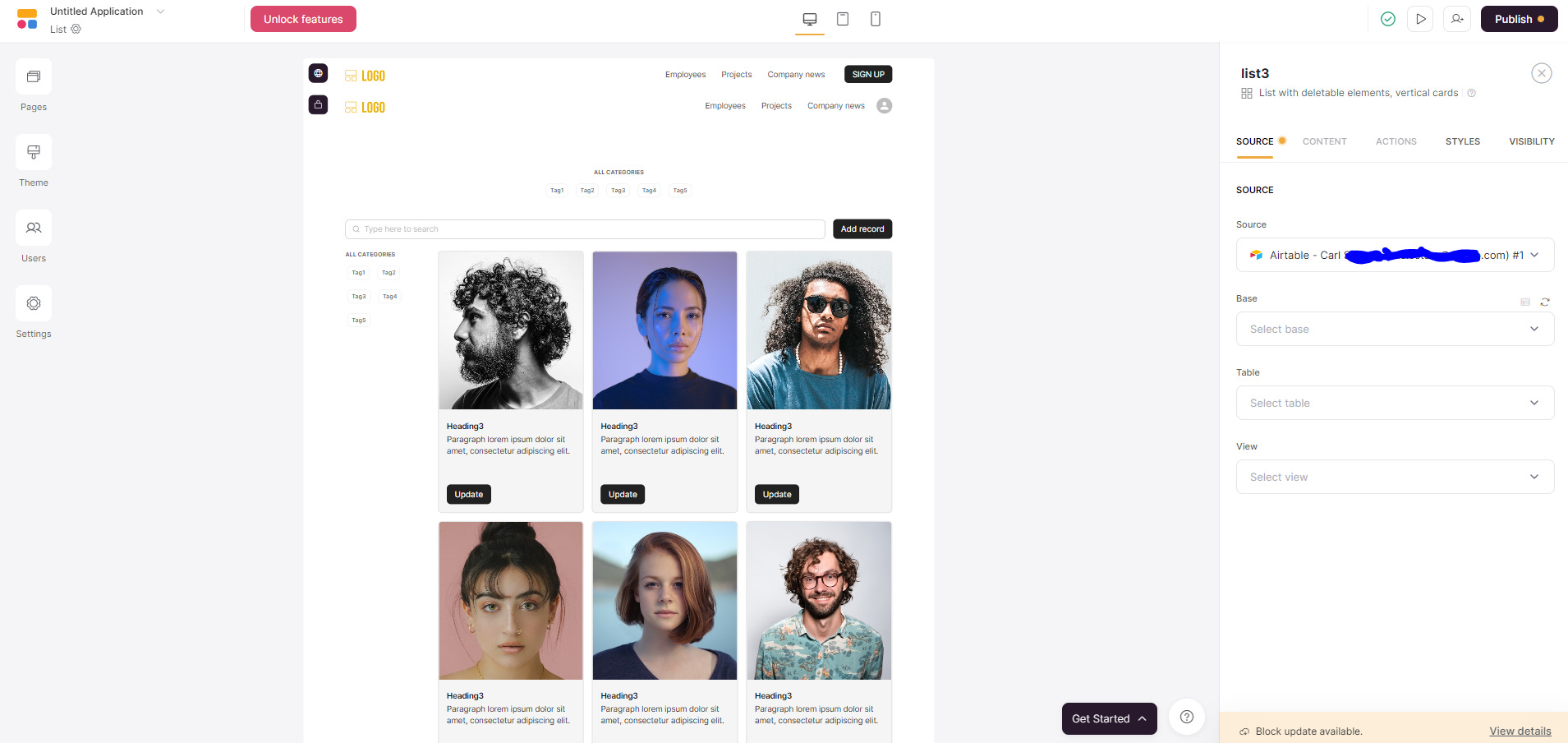
In the image above, you can observe the initial stages of my platform utilization. This currently serves as a template, and my intention is to integrate it with my Airtable database. The primary objective is to develop a front-end application facilitating easier navigation of my print-on-demand products. This approach is adaptable to various databases I possess, such as those for music, Poshmark listings, or books I've authored.
The process so far has been relatively straightforward. I logged into the software application, and it automatically established a connection with my database. Subsequently, I had to specify the database I intend to use. Once synchronized, my next step involves examining the populated data. I plan to categorize the print-on-demand products based on criteria like clothing, Christmas items, and other relevant classifications.
This initiative is prompted by the desire to streamline the promotion of my print-on-demand products. Promoting each product individually on social media can be time-consuming. By consolidating all products into a single link, I can track clicks on that specific platform efficiently. This approach optimizes the use of resources and enhances the effectiveness of the promotional strategy. I hope this clarification is helpful.
Revolutionizing Product Promotion: Unveiling the Power of an Unexpected Ally
In the ever-evolving landscape of digital business tools, one might initially overlook certain applications until a hidden gem emerges. This was precisely my experience with a particular platform (Softr), initially flying under my radar until I unearthed its remarkable affiliate program.
Little did I realize that this discovery would become an integral part of my business strategy, solving a crucial need for streamlined product promotion.
Recognizing the potential for efficiency in my business, I embraced the platform as a solution to simplify the process of getting people to click on a single link and share it across various channels.
Instead of manually posting each product on social media, I now have a storefront-like setup that eases the user experience and maximizes the impact of promotional efforts.
The core of my strategy lies in creating a centralized hub, allowing individuals to effortlessly explore and find what they desire without the hassle of navigating through multiple links. The latter would be trying to search through twitter or scrolling through Tiktok.
While initially contemplating the inclusion of images, I've decided to take a minimalist approach. Images, though visually engaging, occupy considerable space, and I want to keep the focus on simplicity and efficiency. Therefore, I'll primarily share the URL on the marketplace, possibly complemented by a few select images.
To achieve this, I'm leveraging the versatility of Airtable. Within each database, known as bases, Airtable allows for the creation of different views. These views enable the selective display of columns and rows, tailoring the presentation to specific needs. For this application, synchronized with the platform in question, I'm crafting a dedicated view. This ensures that my engagement with the database is focused and optimized, aligning seamlessly with my objectives.
In essence, this unexpected collaboration with a seemingly unremarkable application has transformed my approach to product promotion, providing a strategic advantage in the digital marketplace. The journey from disinterest to integration showcases the dynamism of adapting to emerging opportunities, ultimately enhancing the effectiveness of my business endeavors.
Empowering Entrepreneurs: Navigating the Low Code, No Code Revolution
In the ever-evolving landscape of technology, a paradigm shift is occurring, ushering in the era of low code and no code development. As someone with a solid background in coding and website development, even I was taken by surprise at the transformative power of this movement. The confluence of rapid technological advancements and the integration of artificial intelligence has democratized the creation of websites and applications.
For entrepreneurs like myself, who are driven to bring products to market swiftly, the low code, no code revolution is a game-changer. This innovative approach allows me to sidestep the traditional barriers associated with coding complexities. While I possess coding skills, the newfound ability to prompt and create websites efficiently is a revelation. The technology not only accelerates the development process but also provides a user-friendly interface that minimizes the need for extensive coding knowledge.
One of the standout advantages of this approach is its seamless integration with AI, allowing for intuitive prompts and swift website creation. In my case, this revolution has manifested in a strategic alignment with a particular application that not only establishes a website storefront but also synergizes effortlessly with my Airtable database – a focal point of my business operations.
The beauty of this strategy lies in its efficiency. With the majority of my time spent on updating the Airtable database, the application mirrors these changes in real-time. This dynamic synchronization serves as a monumental time-saver, sparing me the need to manually update the associated website. The result is a streamlined workflow that not only expedites the dissemination of information but also ensures accuracy and consistency across platforms.
While the inclination may be to keep such advancements a closely guarded secret, I've come to recognize the value in sharing knowledge. This revelation isn't just about gaining a competitive edge; it's about fostering a community of entrepreneurs who can collectively benefit from the efficiency and efficacy of these technological strides. In a world where information is power, sharing insights can empower others on their journey towards success.
Feel free to use the affiliate link provided to kickstart your next venture with Softr.
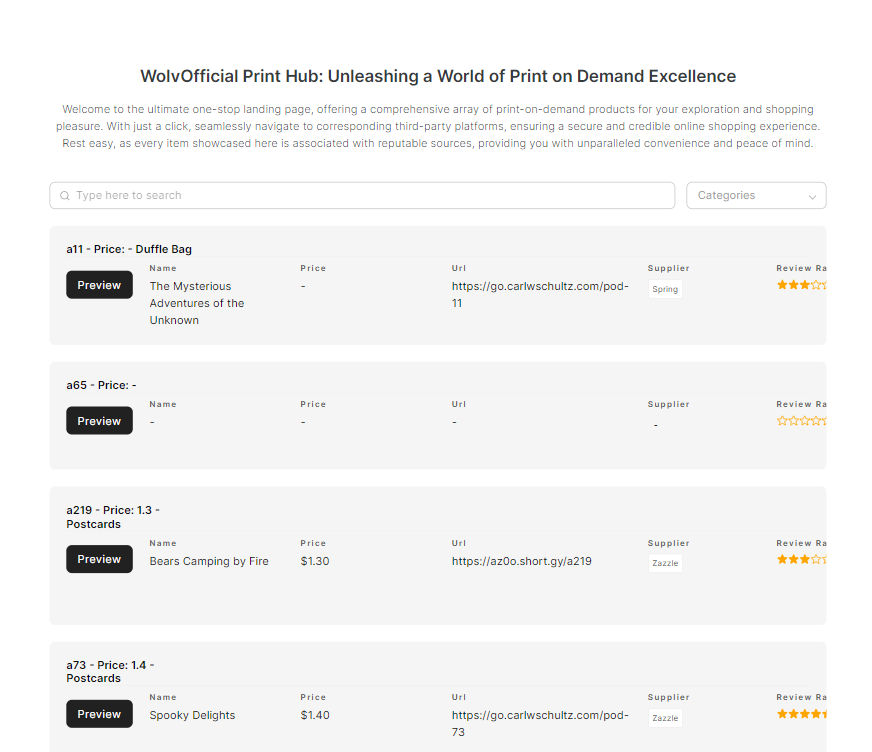
The Final Product
Alright, I've gone ahead and completed the basic mock-up of the website. While it still requires some refinement, I've decided not to include images to avoid hosting them along with the table, considering the potential storage implications.
The URL links are active, allowing users to navigate directly by clicking.
Moreover, if they click within the gray area of the boxes, a mock-up preview of the item opens without redirecting them elsewhere. This way, users can preview items without leaving the site, potentially generating more clicks.
Additionally, users can click the preview button to open a detailed mock-up, which I'll illustrate with another image below.
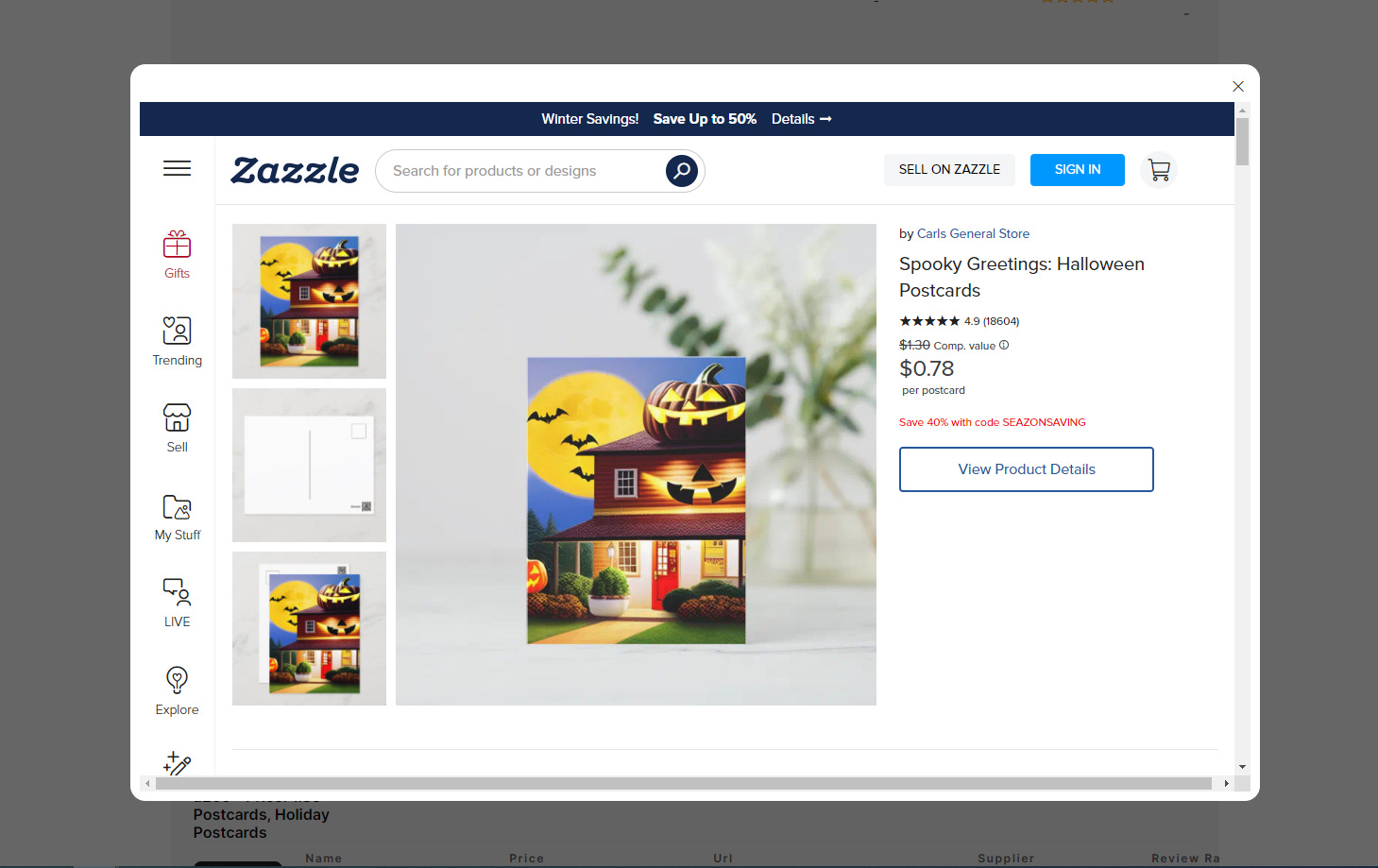
The primary objective is to streamline the user experience.
Users can type in the search area for specific items or explore categories using the drop-down menu. The landing page aims to provide a centralized location, eliminating the need to search on external platforms like Google. This approach aligns with the platform's free plan, which, for now, appears sufficient for my needs. It enables me to track link performance and gauge the effectiveness of the platform in driving traffic.
In terms of usability, the landing page is designed to cater to users who may not know what to search for, especially if they've seen a product in an advertisement. The hope is that this One-Stop platform, integrated with Airtable, will simplify the search process.
I've included the link to the store in my below for easy access.
This way, users can conveniently explore the marketplace without having to leave the site. I anticipate positive outcomes and appreciate the cost-effectiveness of the free plan, given the potential expenses associated with similar software-as-a-service offerings.
Overall, it's a basic mock-up that serves its purpose, offering users a seamless experience while enhancing the visibility of the store.
Navigating the Future of E-Commerce: A Strategic Shift Away from Exclusive Platforms
Diversifying and Owning Your Data for Sustainable Growth
I foresee a shift in the future of e-commerce, steering away from exclusive reliance on major platforms like Amazon or eBay. While it's crucial to feature products on such sites, depending solely on their traffic may not be the optimal strategy.
The prevailing advice often advocates a full commitment to these platforms initially, but with my marketing background, I emphasize the importance of diversifying your approach.
In my experience, it's beneficial to spread products across various platforms while maintaining a centralized hub. Personally, I engage in selling print-on-demand items on eBay and extend my reach to platforms like Zazzle and Teespring.
The rationale behind this approach is to mitigate risks.
If one platform encounters issues, directing all visitors there becomes a potential drawback. The true value lies not just in having a platform like this, but, more crucially, in possessing your own data.
This aspect of data ownership is often overlooked, but those with a deep understanding, like yourself, comprehend its significance.
You likely resonate with the idea that the application can serve as the pinnacle of a marketing funnel, guiding visitors to your diverse product offerings. However, for someone involved in various ventures, such as selling music, writing books, print on demand, and affiliate marketing, the challenge arises in managing and presenting this diverse array of products.
Consider the dilemma of showcasing numerous products—should one resort to writing blog posts for each, or is there a more efficient solution?
My proposal is to leverage the application to create a database that functions like a website, akin to an Amazon storefront. This way, users can easily sort and filter through the array of products, providing a streamlined and user-friendly experience.
I share this insight in the hope that it resonates with your understanding of the application's potential.
As someone who has built something significant from humble beginnings, I genuinely believe that embracing this approach could contribute to the growth of your company.
I trust that this review has been valuable, offering a perspective on the importance of data ownership and a strategy for effectively showcasing a diverse range of products.
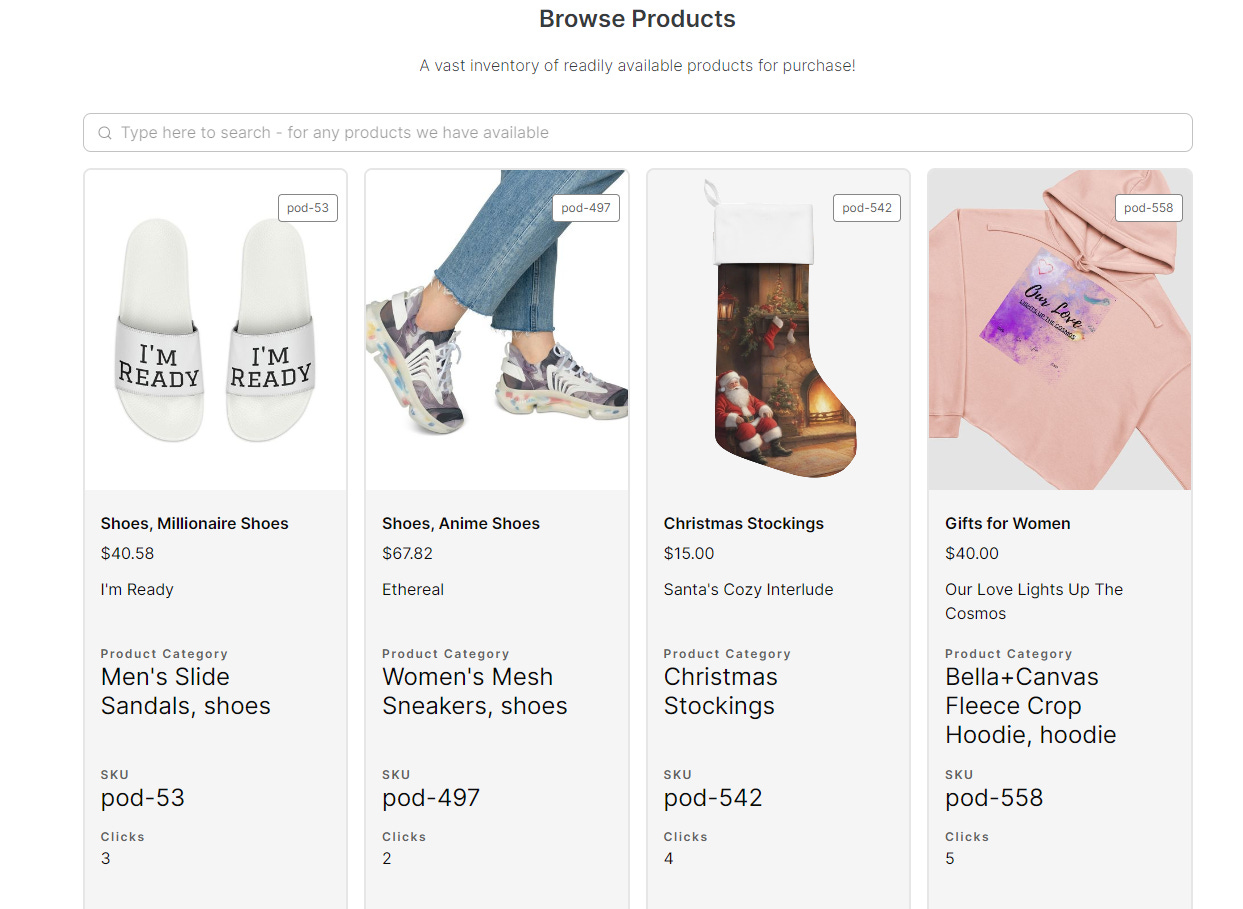
Revolutionizing E-Commerce: A Glimpse into My Print-on-Demand Store's Transformation
Behold the evolution of my store – a seamless aggregation of all the enticing print-on-demand products available for purchase.
The key? Regularly updating the database with accurate image URLs. Leveraging Pinterest as my image host ensures stability, thanks to its robust infrastructure as a leading image hosting giant.
Softr has emerged as my go-to platform, seamlessly integrating Airtable into a public-facing site. It not only meets but exceeds my requirements, enabling me to craft an impressive showcase of products.
The primary goal?
To unveil the product array to users, sparing them the intricacies of the behind-the-scenes workings of a thriving business. With Softr's prowess, I'm diving into the creation of another site, dedicated to showcasing affiliate recommendations.
This new platform will serve as a testament to the value of consolidating numerous sites into a user-friendly marketplace. Kudos to Softr for a job well done!